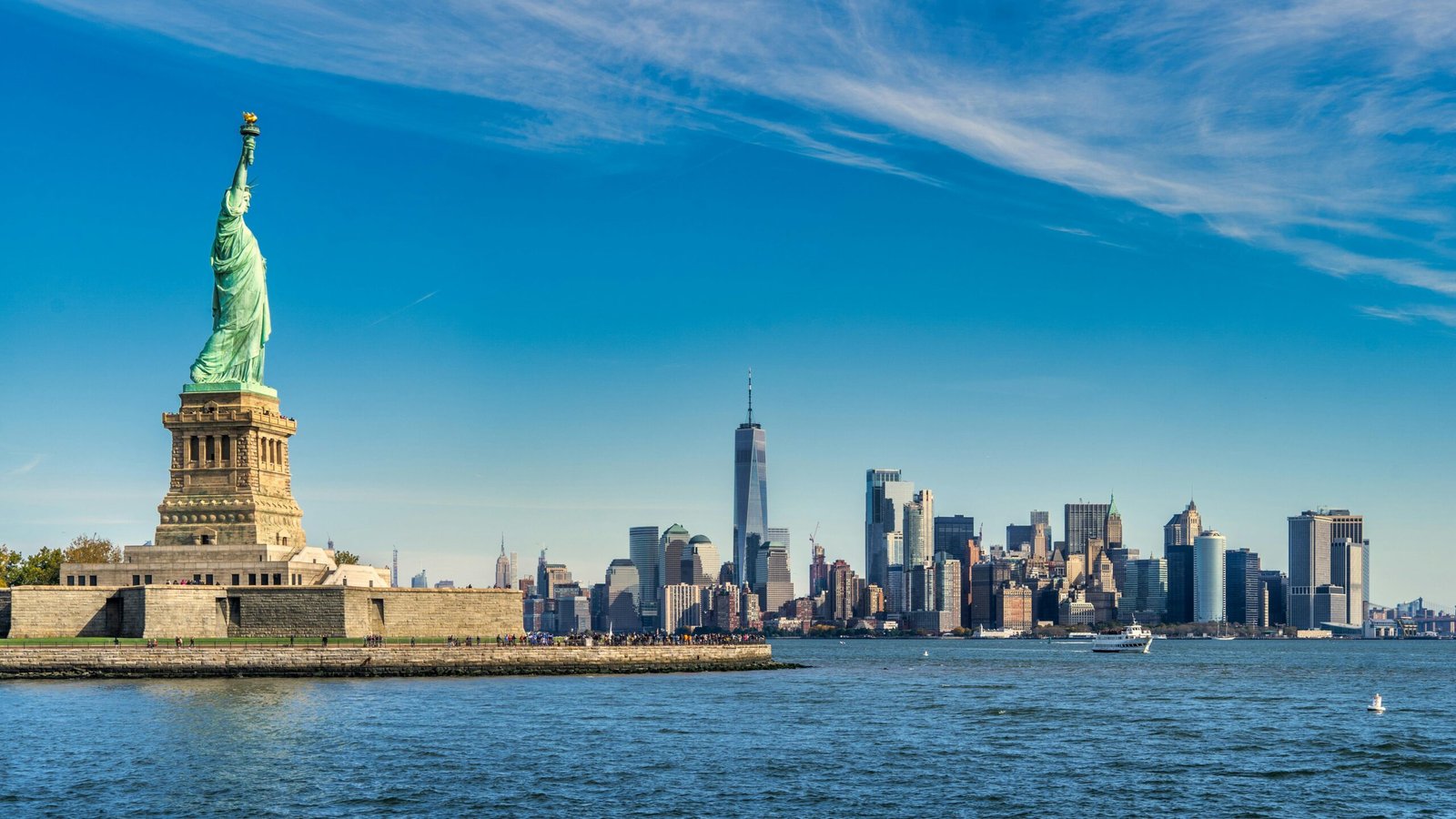
These days, talk about travel in the U.S. sounds different. It is not just major hubs or classic photo spots grabbing attention anymore. Travelers planning broader trips across the country can also explore this complete USA travel guide for more destination ideas. Yet a growing number seek out towns with texture, places rooted in everyday life, ones that resist quick summaries once you’re back. Quiet corners now echo louder than before. Music spills into alleyways, waking the pavement. Morning air up high carries pine needles tangled with coffee steam. Seafood lands on plates still glistening as daylight slips beneath calm docks. Alive beyond just sights, some spots hum with a pulse visitors can’t stop mentioning.
Charleston, South Carolina
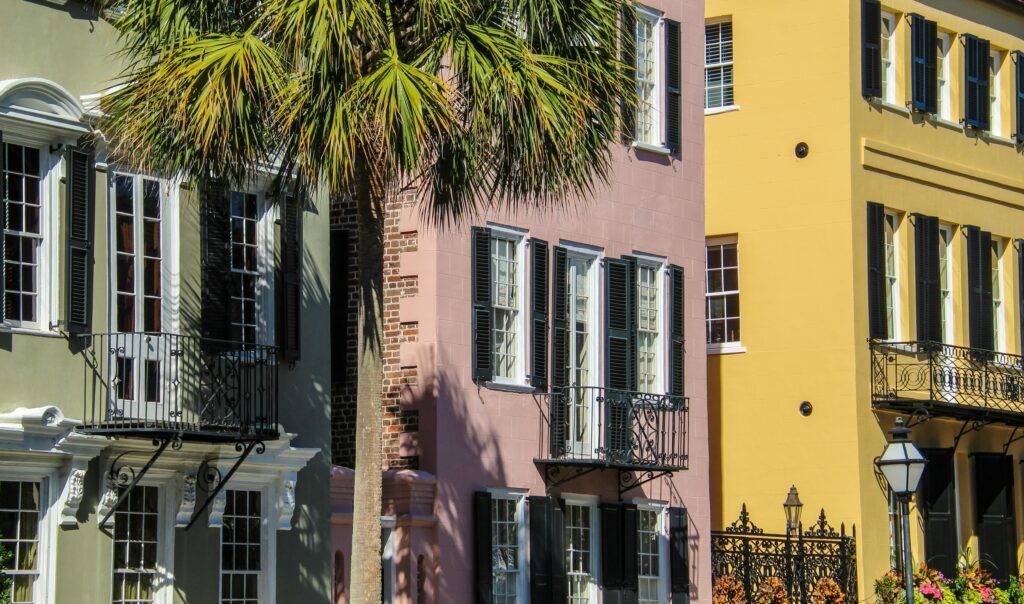
Life here unfolds more slowly than you’d expect in many U.S. places. Out here, dawn slips in slow under swaying branches as carts clatter over bumpy lanes beside peeling pink houses. Folks show up later, though the place keeps small pockets of quiet, wait till you step past the crowds. Between stops, that’s where the magic shows up. Out past dusk, tiny oyster spots hum with low light. Behind thick timber doors sit ancient bookshops you might miss. High up, drinks come with views of spires -no mirrored skyscrapers in sight. Evening meals linger, fed by ocean catches close by, talk drifting well beyond dark. What makes Charleston stick in people’s minds? It moves like a film scene, but never acts like one. People mention it quietly, almost by accident. The city doesn’t shout -just shows up, real and slow. You notice corners before landmarks. Light bends differently near the water there. Not staged, yet everything looks framed.
Sedona, Arizona
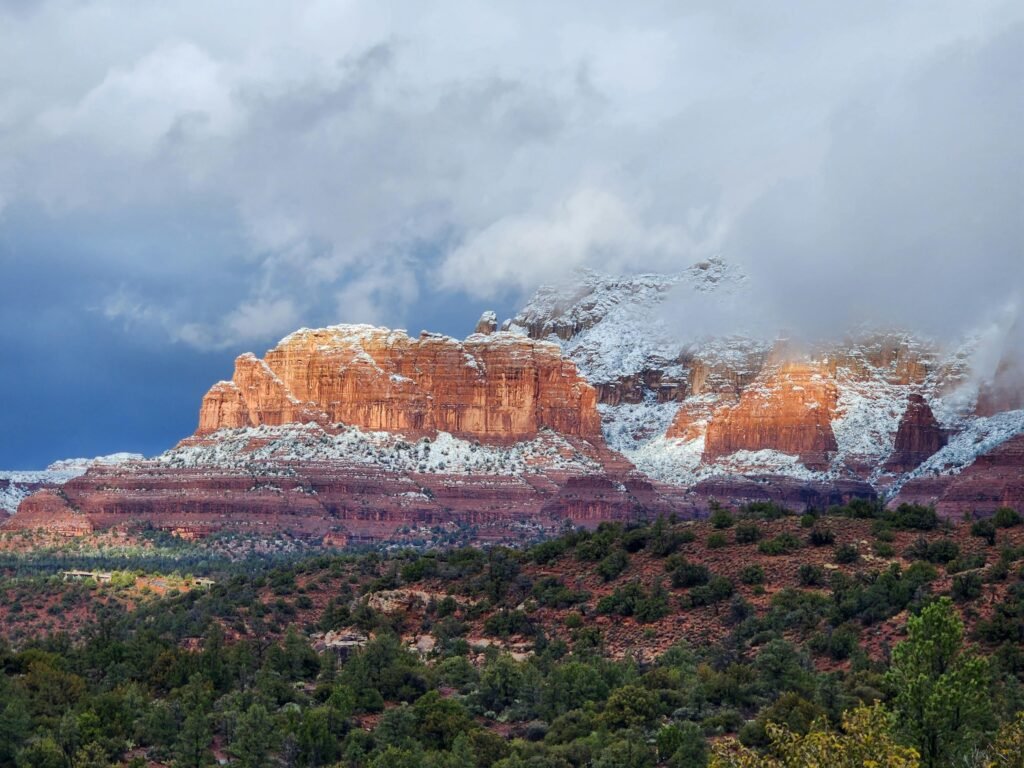
First impressions matter, yet Sedona stays longer in the mind. Not every place does that. Light shifts make the red rocks look different every few minutes. When the sun climbs up, stone faces turn near-orange. As the afternoon fades, pink tones spread through valleys where cold air slips down from high places in Arizona. People arrive for hiking trails but stay for the atmosphere surrounding them. Out past the edge of town, where streets thin into winding paths, viecagows unfold without crowds. Shops serving coffee sit near small boutiques filled with stones and handmade things. On busy days, just a short drivebrings sudden quiet. Roads climb through canyons, leading to spots most maps leave out. Out here, silence sits heavier than expected, making it hard for visitors to find words afterwards. Most times, they return.
Chicago, Illinois
Most people arriving in Chicago for the very first time find it unlike anything they expected across the U.S. urban landscape. Out here, the city stretches far, yet everything somehow keeps a down-to-earth rhythm. Each part of town has its own flavor, refusing to copy the next. A single day could start with walking past old brick buildings by the water, then climbing up to drink under open skies in the center of it all. By midnight, music leaks out from basements behind unmarked doors, places most visitors never even notice.
Summer changes the city completely. Fresh air off Lake Michigan carries a shoreline vibe as folks spill onto patios, shaking off winter’s grip. Meals shift into moments – thick-crusted pizza, aged beef dinners, crusty subs sliced behind glass, drinks poured in red-brick rooms where smoke once curled from factories. First-time visitors can also explore this 2-day Chicago itinerary for food spots, neighbourhoods, and local experiences. Long after the journey fades, real moments linger because they feel true. People remember what doesn’t need pretending.
Oregon Coast
Most won’t shout about Oregon’s shoreline. Still, those who visit often can’t stop thinking about it. Fog rolls over jagged bluffs as you drive north on Highway 101. Suddenly, the coast clears -wooden shacks line quiet shores where gulls circle above fish stands. Towns appear without warning, built close to tides that smell of brine and damp bark. Grey waves never stop moving beyond roadside diners.
Though many still head to Cannon Beach, quiet spots down the coast tend to stand out more. It’s the less crowded places that stick in your mind later on. Out here, towns such as Yachats and Bandon barely notice the rush of years passing. Along quiet shores, driftwood gathers in tangled heaps, tossed there by tides that roar so loud they swallow thoughts whole. Well before light creeps into the sky, small bakeries flicker on – warm ovens ready for those hauling nets or chasing horizons. Fog rolls in where sunshine might be expected, yet the sea still draws people near. Rain taps on rooftops while travellers wander damp trails without complaint. Gray skies hang low, but coastal towns stay alive with quiet rhythm. Instead of chasing brightness, this shore finds charm in mist and salt air. Storms pass through like old guests who know they’re welcome. What surrounds it adds to why people like it.
Austin, Texas
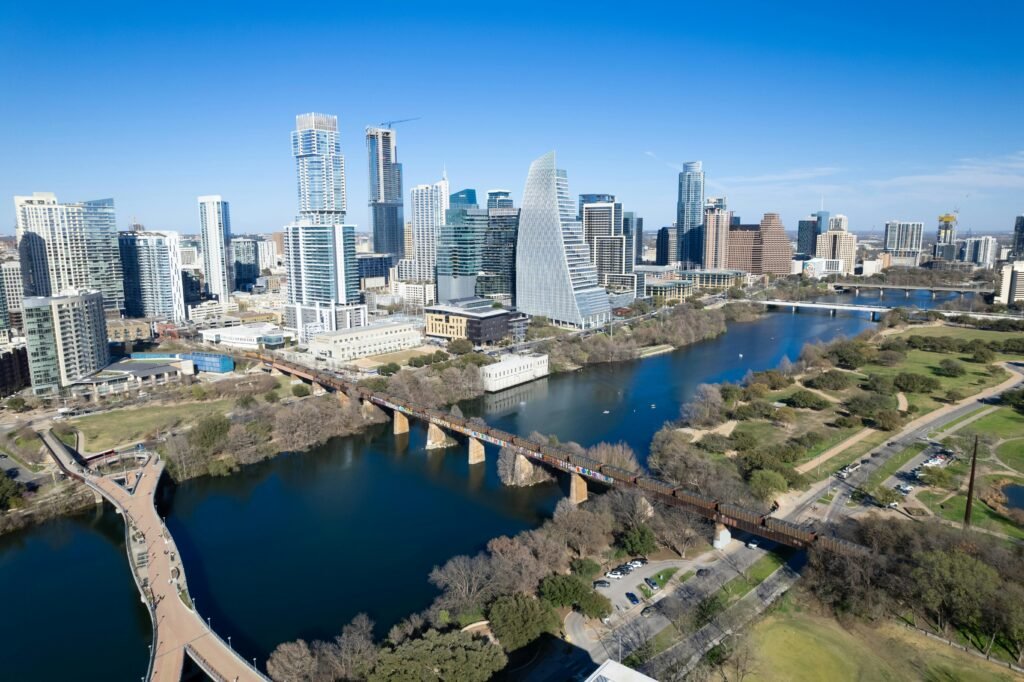
Faster than most, Austin pushes ahead -even so, pockets here keep a quiet neighbourhood rhythm. Though shiny new buildings rise everywhere, some corners stay rooted in everyday life. Music pours out from patios most evenings, and Austin continues becoming one of the most talked-about nightlife and live music destinations in the country. Spilling into streets where food trucks park near breweries, close to old shops lit by strings of warm bulbs. The centre never stops moving, yet just a short walk away, side streets grow still without warning. Quiet takes over fast. Later on, folks show up chasing bright lights, only to notice how smoothly things run when streets go still. After sunset fades, visitors come for loud beats, but start seeing calm hours pull their weight too. Water feels sharp against skin, long past July’s worst burn. Those little shops with vinyl stretch time without trying. Midnight wraps around tacos, especially when guitars still hum from South Congress or Sixth Street.
Austin skips the act of looking perfect every single moment. Instead, he lets rough edges show without fixing them right away. Moments unfold naturally, never forced into neat packages. What you see is what sticks around, unedited. Smooth finishes aren’t his goal – real comes first. Its uneven edges bring a character most new cities just miss.
Finger Lakes, New York
Beauty here feels quieter, somehow. Among New York’s landscapes, this area leans into calm. Hills fold gently around long lakes shaped by ancient ice. Water reflects sky in stretched silences between slopes. Light moves slowly across vineyards tucked beside stone farms. Seasons shift without hurry, painting edges in soft turns of color. Even sound travels differently – muffled by woods thick with moss and memory. Winding paths cut through rows of grapevines, then spill past rushing falls into quiet lakeside villages. Mornings here start soft, hushed by calm water stretching wide. Those bracing for packed routes usually see empty stretches – just a handful of busy Saturdays break that pattern. Out by the water, time slows down in spots such as Skaneateles. Not far off, Watkins Glen pulls you into a quieter rhythm instead of speed. Slowness sticks around where paths wind through stone and light dances on lake edges. Rushing fades when trails invite pause under high cliffs. These towns don’t push forward -they open sideways.
Out by the water, meals stretch slow under wide skies. Tastings unfold at their own pace, never rushed. As light dips low, hillside inns watch shadows shift across golden slopes. Sailboats move like whispers through the early mist. Summer draws crowds elsewhere, yet this place stays calm. People come here when they want sun without stress. Travelers searching for quieter destinations may also enjoy exploring hidden small towns across America. More often than not, folks are leaning into this idea now.
New Orleans, Louisiana
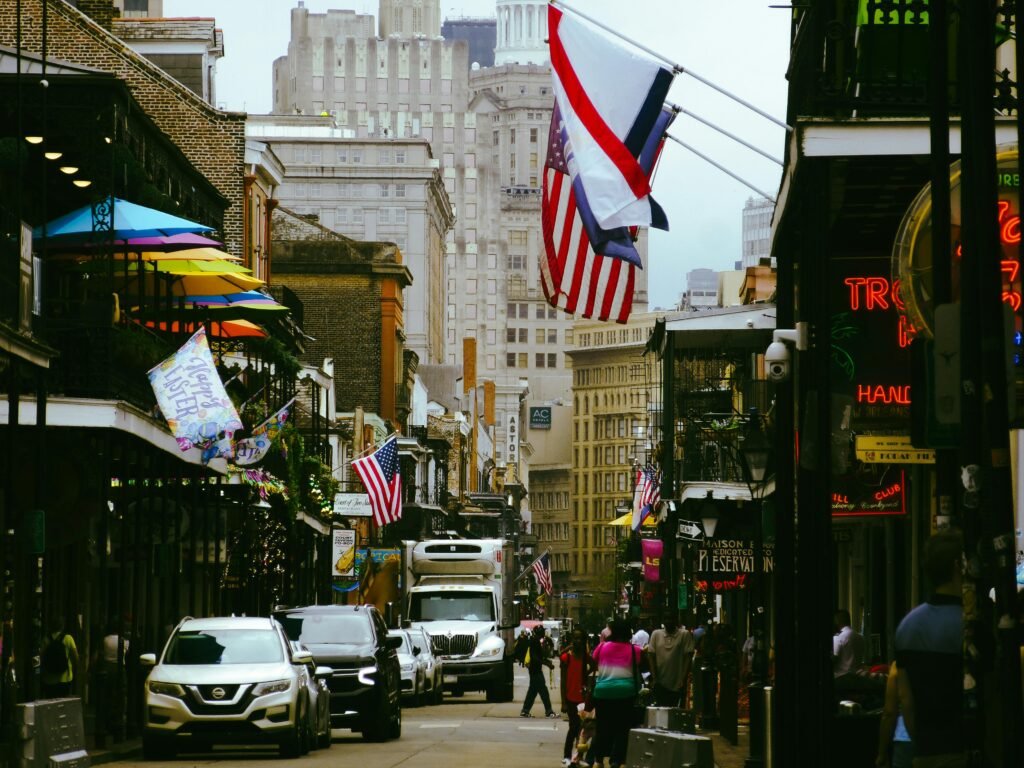
No American city feels quite like New Orleans. Out here, sound drifts between buildings as it belongs there. Not put on for tourists -just people living. Suddenly, a horn section shows up around the corner. Lights hang above porches long after dark. Before you walk into any eatery, your nose catches warm butter, heat from peppers, and salt from what came out of the water. Few look past the French Quarter, yet streets unfold much farther than that. By dawn, neighbourhood bars wind down after hosting local bands through the night. Garden lanes hum softly under sunlight, showing another version of New Orleans. History lives in the cracks of sidewalks, even where nothing seems to happen. What sticks with people after visiting isn’t just the place – it’s how it lingers like a slow song you can’t shake. Few cities in the U.S. leave that kind of mark. Food also becomes a huge part of the experience in cities with strong local culture and nightlife. The feeling stays long after the suitcase is unpacked. That echo? It pulls travelers back through memory, even when they’re miles away.
Destinations Comparison Table
| Destination | Best For | Recommended Stay | Average Daily Budget (Per Person) |
|---|---|---|---|
| Charleston, South Carolina | History, Food, Architecture | 2–3 Days | $180–$320 |
| Sedona, Arizona | Hiking, Scenery, Outdoor Adventures | 2–4 Days | $170–$350 |
| Chicago, Illinois | Food, Museums, City Breaks | 3–4 Days | $160–$300 |
| Oregon Coast | Scenic Road Trips, Nature | 4–7 Days | $140–$280 |
| Austin, Texas | Live Music, Nightlife, Food | 2–3 Days | $150–$280 |
| Finger Lakes, New York | Wine, Relaxation, Small Towns | 3–4 Days | $140–$260 |
| New Orleans, Louisiana | Culture, Music, Cuisine | 3–4 Days | $160–$300 |
Conclusion
Most places that stick in memory aren’t simply packed with sights. It’s the mood that keeps them around -like streets glistening under wet pavement, notes from a guitar spilling out of a second-floor window, mist curling above the ocean edge, moments when a meal tastes better because someone’s grandmother still runs the kitchen. From sea to shining sea, such moments linger where few expect – and some never notice. Folks on the move now lean toward spots that breathe authenticity rather than those built just for snapshots. A growing number choose grit over gloss when picking where to go. More travelers are now choosing slower, experience-driven trips across America instead of overcrowded tourist hubs. Budget-conscious travelers can also learn how to travel the USA on a budget without sacrificing experiences.
Frequently Asked Questions
Charleston, Sedona, the Oregon Coast, Austin, the Finger Lakes, Chicago, and New Orleans offer authentic experiences that go beyond major tourist attractions. These destinations combine local culture, food, history, and natural beauty.
The Oregon Coast is one of the best road trip destinations in America. Highway 101 connects dramatic cliffs, coastal towns, scenic viewpoints, beaches, and local seafood spots along hundreds of miles of shoreline.
Many travelers consider Sedona one of the most beautiful places in the United States thanks to its red rock formations, desert landscapes, and spectacular sunrise and sunset views.
New Orleans, Charleston, Chicago, and Austin are standout destinations for food lovers. Visitors can enjoy everything from fresh seafood and Southern cuisine to deep-dish pizza, barbecue, and Cajun specialties.