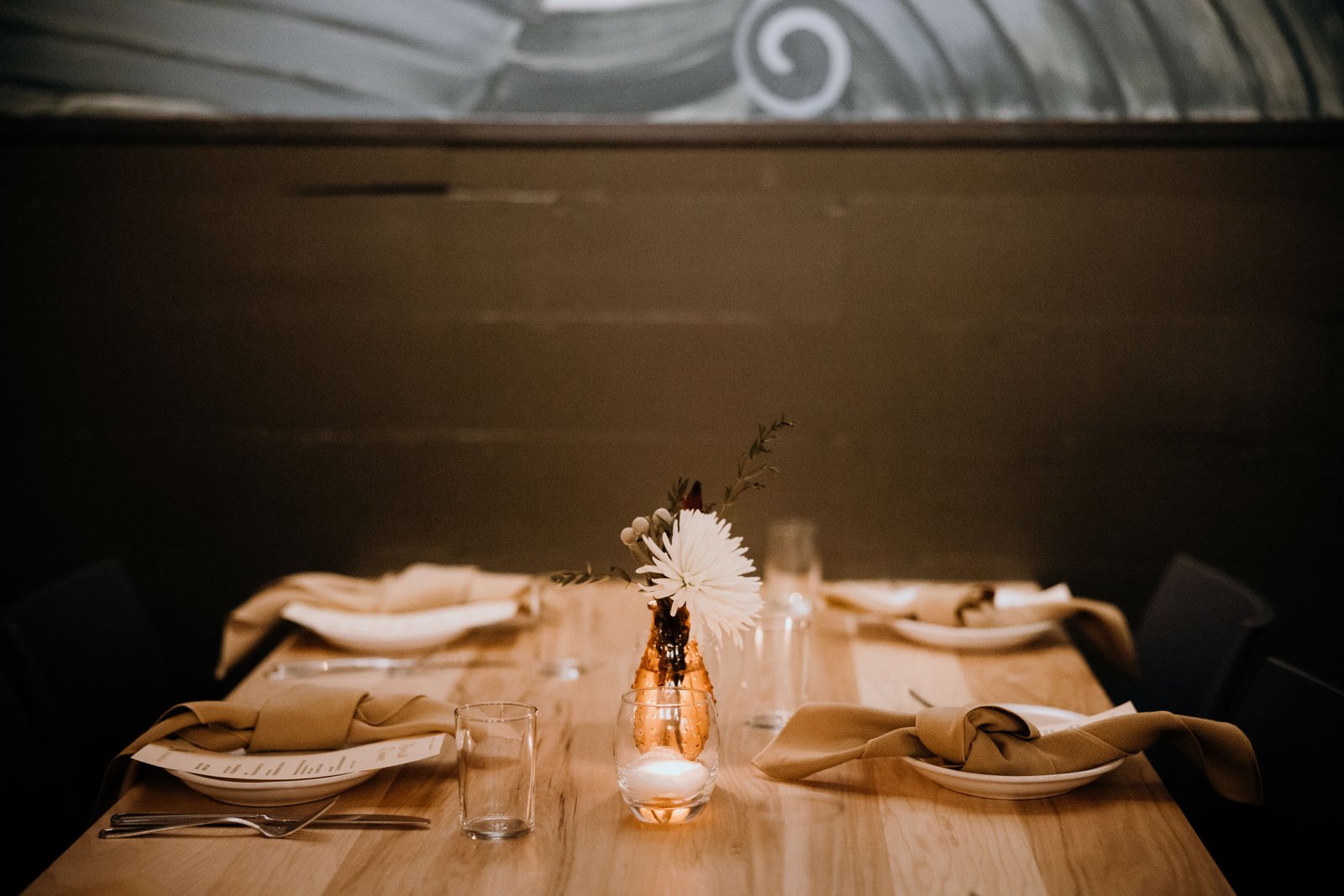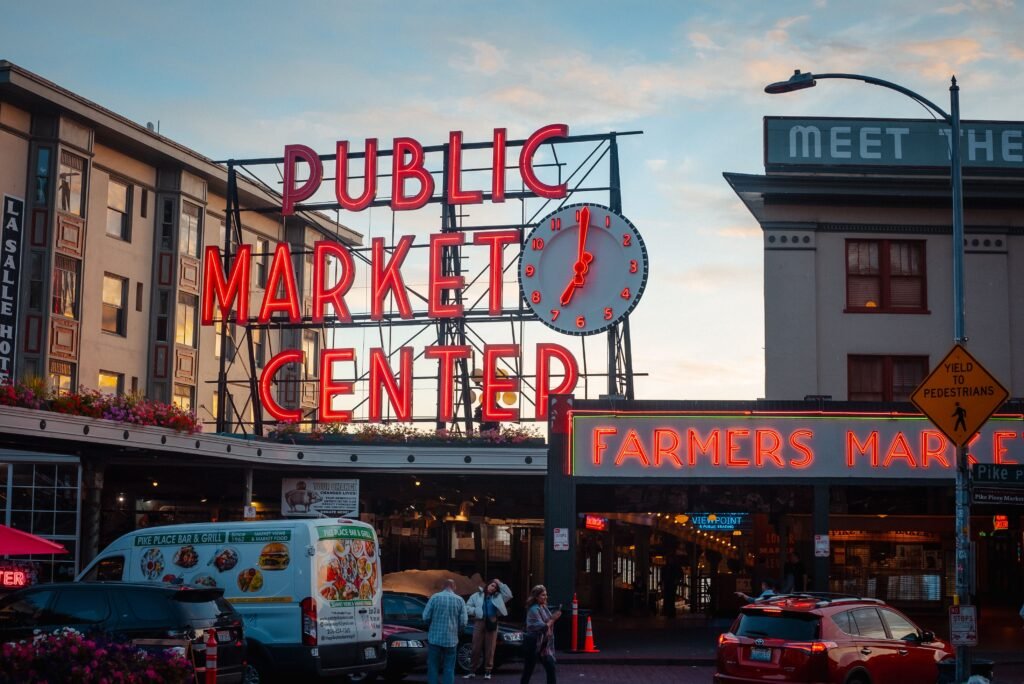

Out past the typical tourist spots lies something different. Not every journey sticks to famous sites and snapshots – many drop you straight into daily routines of locals. Instead of just looking around, you start sensing rhythms of culture. Traditions become touchpoints. Meals tell stories. Simple moments add up, revealing life as it unfolds there. Walking these streets means moving slow, shaped not by crowds but by time. Recipes appear at meals like stories told one bite at a time. Seeing each place comes naturally when lived moments slip between buildings unchanged for years.
On TripGuide247, the goal is simple: help you travel smarter, spend wisely, and experience destinations in a way that actually feels meaningful. If you’re planning a broader journey, you can start with our guide to United States travel and learn how to explore without overspending.
Understanding Cultural Travel?
Cultural travel digs deeper than standard sightseeing. Not merely ticking off spots – more like grasping what they mean.
Inside it, not watching. Part of the motion instead.
This includes:
- Exploring historical sites and heritage locations
- Experiencing local traditions and festivals
- Interacting with communities
- Understanding daily lifestyles
Out of step with usual vacations, cultural journeys bring understanding. Because they show daily life, beliefs, celebrations – one glimpse at a time.
Top cultural travel experiences
For quick guidance, begin at this point
- Best for History: Ancient landmarks in Egypt
- Cultural Experiences Across India Festivals and Traditions
- Best for Food Culture: Street food exploration in major cities
- Best Budget Cultural Travel: Multi-city exploration across the United States
From hidden villages to bustling towns, each place feels real without trying too hard. Getting there does not take half your day. Culture here is lived, not performed for cameras. Some spots surprise you by how much they reveal slowly.
How Culture Shapes Where You Travel
Some spots give a deeper look at local life than others. It really comes down to what matters to you when picking one.
For those who like the past, old buildings and protected landmarks might feel just right. Sometimes walking among stones that have stood for centuries makes time slow down a little. A place frozen in years can speak louder than modern cities ever could. Where walls hold stories, curiosity finds its home. Old roads underfoot connect now with what came long before. These spots do not shout – they whisper, if you listen close.
Start with places where life unfolds in color – festivals spill into streets, markets hum at dawn, tradition shapes each day.
Bite into places where meals shape moments, not just menus. Where flavor guides routine, pick spots that let taste lead.
Start with sleep – pick lodging that fits what you do. When heading into town, say New York, look up spots travelers new to the area actually rest. Skip guessing; find real corners people use. A map helps less than knowing which block feels right. First steps matter most when streets blur together.
Cultural Experiences With Real Impact
Jump into local life, then moments start to matter. Doing things alongside people changes how you see them. Joining in turns passing visits into real connection. When hands move with others, understanding grows without words.
Instead of just watching:
- Start a kitchen adventure alongside people who live here
- Attend traditional festivals
- Visit artisan workshops
- Explore local markets
Deep down, exploring like this builds real links with places. What matters is stepping past quick snapshots. A slower pace opens doors most miss entirely. Moments stretch when curiosity leads instead of schedules. Seeing through local eyes changes everything quietly. Start with where you sleep if chasing sunsets in LA or foggy mornings up north. A solid base changes everything -check out handpicked stays near art spots, music corners, food lanes. These picks? Made for those who move sharp, skip crowds, land light.
Understanding Cultural Etiquette
True regard builds bridges when moving through unfamiliar places.
Hold off on heading to a place until you’ve checked things first
- Learn basic greetings
- Understand dress expectations
- Observe local behavior
It starts with tiny steps – yet those shifts somehow reshape everything. When you honor how others live, eyes light up, smiles come easier, connections deepen without warning.
Cultural Heritage and Responsible Travel
Cultural travel comes with responsibility. Walking through their door means walking into a different rhythm of living.
That means:
- Supporting local businesses
- Avoiding harmful or disrespectful behavior
- Preserving heritage sites
- Respecting traditions
Meaning grows where travel offers something in return. Instead of only taking, journeys can leave behind value too.
Culinary Travel Is the Heart of Cultural Experience
Taste opens doors to how people live. Meals tell stories without words. A dish carries habits across generations. Eating reveals what matters most. Recipes hold memories like photographs do.
Instead of choosing tourist restaurants:
- Eat at local spots
- Try street food
- Visit open-air markets
From old times, every meal tells a story of place and daily life. How people lived shaped what they cooked. Where they settled changed the flavors on their plates.
Start with plates steaming under Louisiana sun, flavors shaped by generations moving through French Quarter alleys. A trip built around meals here pulls history onto the plate -think gumbo, po’boys, beignets dusted hot from fryers. Each bite ties to rhythm of city streets, music drifting past old brickfacades. Tastes shift block to block, guided less by trends than family recipes passed down quiet hands. Explore like locals do: follow scent of roux, stop where lines form outside unmarked doors. Food becomes map when neighborhoods tell stories through spice levels, cornbread textures, coffee stirred dark and slow. This kind of journey doesn’t need museums to teach culture – it simmers in cast-iron skillets.
Where You Live Affects Your Life More Than Expected
Here’s something most travelers overlook – yet it matters more than they think.
Right where you lay your head might shift how you see everything around you. A different neighborhood pulls you into new rhythms, sounds, tastes – without trying. Wherever you land shapes what feels normal by noon.
Instead of generic hotels:
- Choose locations near local neighborhoods
- Near markets you’ll find energy humming through streets. Cultural areas bring life with their rhythm and pace. Historic spots hold stories under old bricks and signs. Close by, each place feeds curiosity differently
👉 For example:
- Looking into budget-friendly places close to Times Square makes sense when planning a trip to New York City
- Check San Francisco hotels with best value for city exploration
- Use your Miami Beach hotel guide for coastal cultural experiences
Save money when traveling for culture
Cheap trips can still dive deep into culture.
Use these strategies:
- Travel during off-season
- Stay slightly outside main tourist zones
- Use public transport
- Book stays early
Following your guide makes budgeting simpler when traveling across the USA. When plans are clear, surprises fade. Your method cuts guesswork out of trips. Costs shrink without feeling tight. Steps line up smoothly once you start. Money stretches further than expected. Details matter most when every dollar counts. The process feels lighter with solid direction. Choices get clearer along the way.
Common Mistakes To Avoid
Some folks who’ve been around still slip up like this
- Staying in tourist-only areas
- Ignoring local customs
- Overplanning and missing real experiences
- Choosing convenience over authenticity
Steer clear of these, yet your journey will feel richer. Though skipping them shifts the whole experience somehow. Still, missing out on these changes everything quietly. Only when they’re gone does it get better unexpectedly. Without them, a deeper reward shows up oddly.
FAQs
What is the main goal of cultural travel?
To experience local life, traditions, and customs beyond typical sightseeing.
Is cultural travel suitable for beginners?
Yes. Start with destinations that are easy to navigate but rich in culture.
How do I choose the right place to stay?
Stay near cultural districts, local markets, or historical areas instead of tourist-heavy zones.
How can I make my trip more authentic?
Interact with locals, try local food, and participate in community activities.
Final Thoughts
Worldview shifts happen through cultural journeys.
Something shifts when you step past the usual sights. Not just meals or customs, but how people live – that becomes the heart of it. Moments stack up, not because they’re planned, but because they matter. Connection slips in quietly, changing what travel means. A well-timed journey often rests on choices made long before departure. Staying somewhere that fits your pace matters just as much as how you get around. What shapes the experience isn’t speed -it’s thought given ahead of time. Places to sleep, ways to travel – they quietly define what stays with you later.