Tokyo grabs attention fast. As Japan’s heart, tradition meets invention here – travelers notice that right away. Some wander through still gardens and ancient temples. Others get pulled toward bright districts, where skyscrapers rise like dreams built ahead of time.
Down alleys lit by flickering signs, people pour into Tokyo, pulled not by maps but motion. Between vending machines humming lullabies, stone lanterns wait inside pockets of stillness. While steam rises from noodle carts, clock hands spin toward dawn without slowing. Under pavement and subway grates, metal rivers move without sound. Old wooden gates watch as steel shapes stretch upward, cold and bright. Quiet temples do not shout their age – they simply remain.
Explore the best tours and experiences in Tokyo
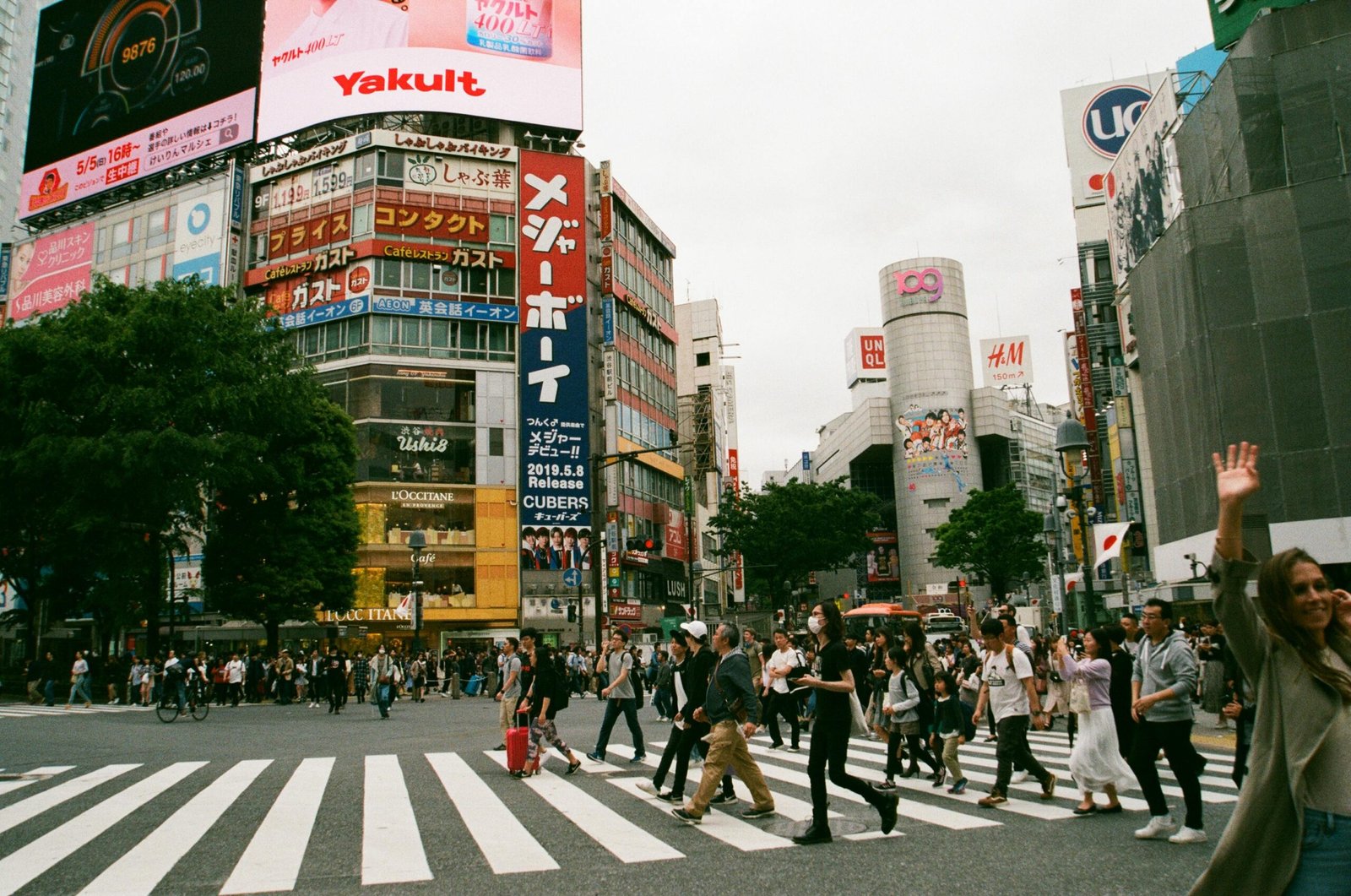
Visit Shibuya Crossing
When the light turns red, crowds pour in from all directions. Right in Tokyo’s Shibuya district lies this bustling intersection. Among the most famous crosswalks on Earth it stands.
Footsteps echo in waves right where Tokyo pulses without pause. Here, the city breathes fast, caught mid–stride by still images that freeze restless movement. Each frame holds not just pavement but bodies leaning into time. Rhythm spills through crossings, never waiting.
Around the next turn, storefronts pull folks inside even as cafes buzz nonstop. What you find are movie halls, drinking spots, and boutters pressed side by side. Light lingers on sidewalks way past nightfall because feet never stop moving from place to place. That motion? It’s why Shibuya thrums no matter the time.
Explore Senso-ji Temple
Deep in Asakusa lies Senso–ji, older than any Buddhist place in Tokyo. People return again and again, pulled less by prayer and more by what has lasted so long. Towering crimson gates greet those who enter, their presence unshaken by years passing. Underfoot, pace changes as if the ground remembers every step taken before. Outside, the city moves fast through narrow lanes, yet here silence gathers near carved stones and rising smoke. Visitors arrive not out of duty, but because old things speak without words.
Just beyond the red glow of Kaminarimon Gate, visitors move along a trail dotted with tiny shops offering traditional snacks and trinkets. Ahead lies a slender alley, its width shadowed by fluttering paper fans, while cooks turn sugary buns on hot griddles. Craft after craft appears – each shaped by hands trained long before, each quiet in its appeal. Pace drops beside jars of tangy fruit, picks up again beneath soft–tinkling metal pendants swaying overhead. Folded moments live here, where today’s passersby brush close against traditions shaped long ago. Down the lane, a breeze stirs old wood, making signs sway above entrances crowded with crisp rice squares and hand–decorated figures.
Down here, paths of stone twist beside rooftops etched with care, silence pooling heavy around them. What sets this spot apart isn’t only form – it’s the hush that meets you at the threshold. Up above, timber bones stretch slow into shadow, patient as elders watching time pass. Through rice-paper panels, daylight creeps in, blurring corners of rosaries, smoothing the grooves in ancient stairs. Here, people stop longer. Not just passing through like they do elsewhere. Drawn in – not by signs or sights – but by a pull deeper than that. The past stays put inside wood. Doors remember how to swing wide without sound.
Discover Tokyo Skytree
Way above everything, Tokyo Skytree rises higher than any other structure across Japan. Standing at 634 meters, its observation decks open onto sweeping views of the city. When seen from that height, the entire sprawl spreads out beneath – vast, sharp, unbroken. Not many places offer vision this complete; yet here it happens naturally.
Some days, early light lifts the peak just enough to see it across the distance. When clouds pull back, a pale outline of Mount Fuji appears. Morning air clears like that now and then, showing what lies far away. Not every dawn does this, only the ones where blue stretches wide without break.
Markets fill the tower, offering goods through winding lanes. Food appears here and there, served hot from small kitchens tucked beside pathways. Between floors, something playful pops up just as you pass a row of shops. Strolling through, buyers meet cooks, each doing their thing in shared spaces.
Book Tokyo Skytree tickets and tours
Meiji Shrine Visit
Somewhere beneath Tokyo’s hurry stands the calm of Meiji Shrine. Thick trees fold in close, like silence settling post downpour. Emperor Meiji is remembered here – his wife, Empress Shoken, beside him. Where traffic hums, leaves answer back with soft motion.
Among the silence of narrow paths, weathered houses rise – built when centuries pressed gently on timber frames. Footsteps fall soft near roofs bent low, echoing ocean swells frozen above motionless branches. Around corners, tradition rests inside woodwork, each joint a whisper from eras stacked deep. Over quiet streams, planks stretch between banks, supported by posts shaped before memory. With every shift in direction, open yards appear – not explained, yet clear to eyes that stay long enough.
When festivities start, a gentle light wraps the stone stairs. Most days stay hushed, yet hues climb the walls once melodies play. Between still moments, song lifts through air, carried beyond treetops.
tokyo food scene
Sure thing. Here’s your rewritten version: A city famous for its meals? That would be Tokyo. From high–end dining spots with fancy awards to quick bites at sidewalk stands – options fill every corner.
Popular Japanese Dishes to Try
- Sushi
- Ramen
- Tempura
- Yakitori
Fresh tastes meet curious minds when wandering Tokyo’s streets on foot. A guide might point out steaming noodle stalls tucked beside quiet temples. One moment you’re sipping miso soup at dawn light, next you’re tasting pickled radish from a cart near an old market gate. Each stop tells part of how meals shape days here. Traditions pass through gestures more than words – watching hands fold dumplings teaches patience. Smells pull visitors into alleyways they’d otherwise miss. Eating becomes seeing, then remembering.
When to Go to Tokyo
Tokyo wakes up to cherry blooms when spring arrives, so many people pick March or April for visits. Cold breezes drift through city lanes by October, then colors explode on branches. Under soft pink roofs of petals, folks gather close during bloom time. When winter nears, the sidewalks crunch underfoot amid flaming red and amber crowns above.
Out of the airport, lights blink near old stone temples. Elsewhere, high–speed rails slide close to stalls offering sour greens in jars. Midnight brings a steady buzz, though mornings find stillness at sacred steps. More than tech and noise, open–air grills carry flavors passed through decades. Stories older than your grandparents hide in every alley. Under towering buildings, tea houses let minutes stretch longer. Near cooks in kimonos who count loose change, machines hand out noodle bowls. The city stays awake without hurrying. Quiet pulses live beneath its constant motion.