Few spots pull people in quite like Paris, bringing waves of travelers lured by its shimmer. Known as the City of Light, it blends aged elegance with creativity, hushed lanes, vast museums, plus dinners you recall years later. Whether arriving for the first time or stepping back again – moments wait, tucked just out of sight. In narrow alleys and wide plazas alike, its pulse keeps steady.
Wondering what to see in Paris? You’ll find famous sights here, yet also quiet spots few tourists know. Some ideas come from locals, while others are tried by travelers for years. Tips mix practical advice with moments that surprise. Each suggestion fits a different pace, so rushing is never the point.
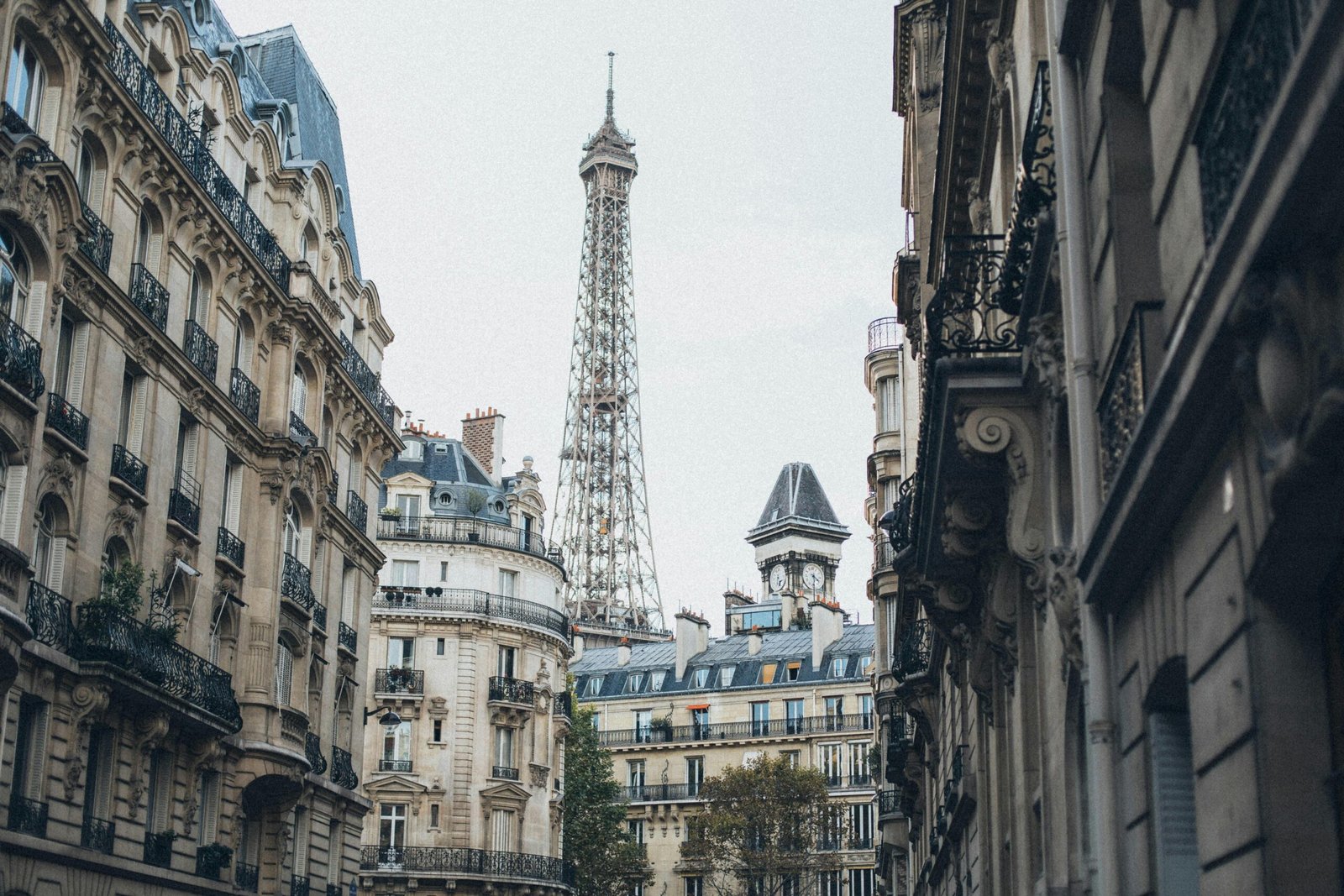
See the Eiffel Tower
Missing the Eiffel Tower makes a trip to Paris seem incomplete. Rising to 330 meters, it towers above most landmarks on Earth. From up there, where the platforms sit, views of the city stretch far without stopping.
High above, visitors pick stairs or an elevator to rise – open views of Paris and the water unfold ahead. As evening falls, flickers of light leap along its frame every sixty minutes, sparking energy into the dark.
Starting early helps when aiming for the Eiffel Tower – crowds build before noon. Few spots remain once morning ends, given how heavily it draws visitors every single day.
louvre museum exploration
Right in the heart of Paris stands a massive art haven, famous across continents. Within those walls rest over thirty-five thousand works, spread through countless rooms. Visitors arrive daily, pulled by colors, shapes, stories found behind every door.
Some of the must-see masterpieces inside the Louvre include:
1. The Mona Lisa painted by Leonardo da Vinci
2. Venus de Milo statue
3. The Winged Victory of Samothrace
Inside, smooth halls curve through the space, shaped like art. Old stonework meets sharp new lines without warning. Where people walk in, a well–known glass triangle rises. The building feels carved, yet full of light.
Hours pass fast for some visitors, while others lose themselves far deeper into the art. Moving slowly from room to room fills the silence, each turn revealing another piece too striking to rush past.
Strolling down the Champs-Élysées
Away from the river, a road cuts through central Paris. Starting at Place de la Concorde, it points directly to the massive Arc de Triomphe. On either edge, tiny coffee spots sit next to famous boutiques. Between clothing palaces, playhouses appear, making folks pause. More than buying things happens here – old stories move with the crowd.
Under those well–known streets, the heartbeat of Paris vibrates through the pavement. Stopping could mean finding yourself seated where warmth curls off a drink. Store fronts show big labels alongside silent elegance. With every stride, the city answers in its own cadence.
Beyond lies the Arc de Triomphe, rising where the Avenue ends – a monument raised for French troops. From the top, views stretch wide over radiating avenues below.
Notre Dame Cathedral
High above Paris, Notre-Dame has stood through ages. Since medieval times, it grew slowly, becoming something unforgettable. Stone figures peer down, shaped carefully many years back. Light does not just fall here – stained windows scatter hues like old stories waking. Not many structures carry so much – heavy with arches and towers meant to endure.
Still under repair since the 2019 blaze, the cathedral pulls visitors toward nearby areas too. Not only the structure itself matters – its surroundings hold weight. Foot traffic fills adjacent lanes every day. Because of curiosity about the past, some arrive. While others seek stillness tucked behind well–known sites. Even with construction around, people still care. Things keep moving here just as they did. Stores and small spots draw eyes while the big building gets fixed. Coffee shops stay busy though work continues nearby. Tourists adapt, finding paths through change. What makes this area hum stays alive. Not every part needs to be done for meaning to remain.
Nearby highlights include:
- The Seine River
- Charming cafés and restaurants
- Historic bridges and walking paths
Walking here feels calm, almost like the city slows down near Notre-Dame. Streets unfold gently, guiding steps without hurry through central Paris.
Cruise on the Seine River
Down the Seine, Paris unfolds piece by piece. First comes the Eiffel Tower, standing tall as the water pulls you forward. After that, the Louvre shows itself through the trees. Around a gentle bend, the river gives up Notre-Dame, close enough to touch almost. Then further on, Musée d’Orsay rises where the current turns soft.
When daylight fades, some still take to the water. Yet it’s the glow of buildings against black skies that gives evening sails their spark.
Dinner on some cruises blends French dishes with glimpses of the city skyline. As the boat glides by famous sights, diners taste creations shaped by cooks from the region. Twilight turns a gentle trip along the water into a drifting dining room. The moment food lands on the table, sightseeing gains a rich new layer. Plates appear just as bridges and glowing landmarks slide into view.
Montmartre and Sacré Cœur
High above the city, where roofs slope into wide skies, Montmartre lingers – caught in a pause between what it recalls and what it becomes. Reaching it means walking upward, beyond stones shaped soft by years, not rush. Easels crowded these spots long ago; echoes of painters whisper through narrow lanes even now. Time unfolds slowly here, every step landing on cobblestones that speak in textures deeper than any sentence could say.
Over the ridge stands the Sacré-Cœur, a soft gleam rising where sky meets stone. From this height, views spill outward, cutting through chimney stacks into distant haze.
Those who stop by might check out:
- Place du Tertre (artists painting in the square)
- Small cafes and bakeries
- Historic art studios
Montmartre provides a glimpse into the bohemian past of Paris.
Paris cafés and food
Famous for what’s on the plate, Paris breathes flavor in every corner. Croissants appear at dawn, while evenings bring slow meals shaped by care. Pastries sit beside savory plates, each bite telling a quiet story of habit and handwork.
Some must-try foods include:
- Croissants and baguettes
- French onion soup
- Macarons
- Crêpes
- Cheese and wine
Sitting down in a classic Paris spot for a meal just belongs. It fits right into what you come for.
When to Go to Paris
Maybe spring feels better once crowds start fading. When summer lets go, autumn steps in with softer colors. Quiet sidewalks pull some toward winter’s calm. Even with high temperatures, longer daylight keeps others picking summer. Everything depends on how sunlight touches the water.
Spring brings gentle warmth between April and June, while visitor numbers drop off. Come September, fall takes hold, lasting well into October, with quieter scenes replacing summer crowds. These times feel easier on the senses, thanks to steady skies and lighter foot traffic. Fewer people wander around then, which helps the experience feel less rushed than in high season.
Summer stepping in means crowds fill every sidewalk. As winter settles, stillness wraps around markets lit by soft festive lights.
What to know before going to Paris
Here are some helpful tips for travellers:
- Arrive early at big sites by reserving spots ahead of time
- Use the Paris Metro for easy transportation.
- Step into footwear that feels right on your feet when you move. Shoes made for strolling should match how your body works without forcing anything.
- Try local bakeries and cafes.
- Mornings bring fewer people at well–known spots. Starting off bright and early means easier access to crowded places.
Picture this: a little thought ahead means skipping those endless queues. Time slips by fast there, so being ready changes everything.
Final Thoughts
Out past the river, Paris wraps around you without warning. Up ahead, the Eiffel Tower rises – silent, firm against the sky. Not far off, inside hushed rooms, the Louvre holds breath and brushstrokes behind thick panes. Turn left, then climb: Montmartre twists above, a maze where artists drape cloths over wooden frames. Step by step, corners open – stone-worn paths lead to small cafes buried in ancient walls. Late–day light slips over the river, slowing everything around the Seine. Quietly, the city draws people in – not with noise, but with hush.
Pacing shifts as hues spread over blank space – this place breathes painting, heavy and close. Around bends, tales rise up, built one rock at a time, deeper than many flags. One taste remakes the moment: crusty loaf, sharp slice, heat left behind by fire not long cooled. Movement follows beat, never hurry, arms carving meaning into shared silence that came before words. A curve ahead throws sunlight onto water; further on, voices float up from a hidden yard. Nothing forced, yet each scene stays put. Moments pile up like stones skipped by someone unseen.