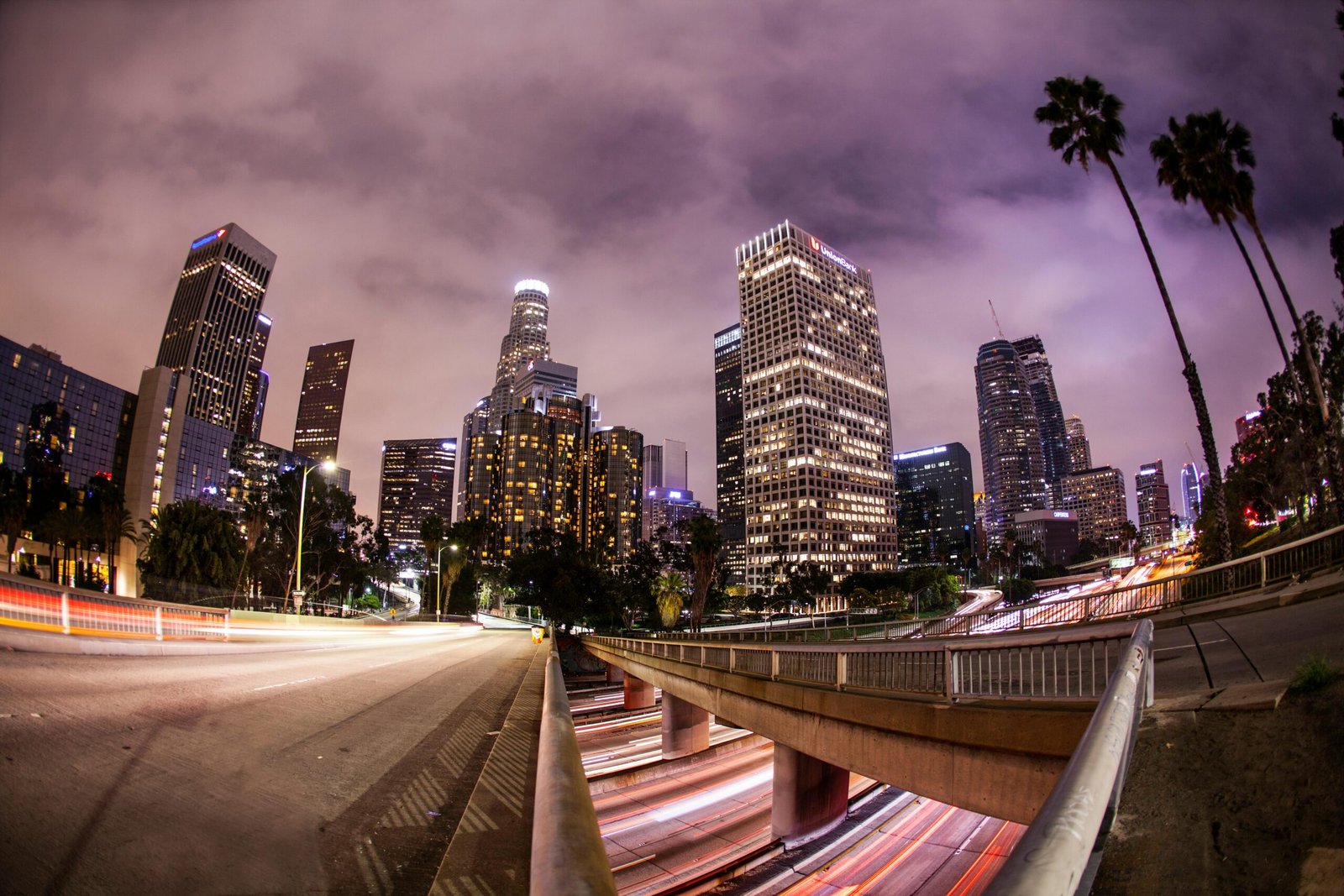
Starting a journey to Los Angeles feels thrilling – until the details pile up, turning simple choices into headaches. Not much like tight urban spots such as New York or San Francisco, this place stretches wide, roads unfolding between distant points without hurry. Movement here follows its own rhythm, slow and spread thin across sunlit miles. Hours lost. Money wasted. Frustration piled high -common results when newcomers misjudge the rhythm of the place. Yet here’s what shifts everything: knowing not just where things are, but how they quietly connect behind the scenes.
First up, newcomers often overlook traffic patterns when planning their day. Instead of rushing between spots, build in extra travel time. Many forget to check parking rules before driving downtown – this leads to tickets. Try using public transit where possible. Some expect every neighborhood to feel like Hollywood; reality is far more varied across districts. Pack layers since evenings cool down fast near the coast. Tourists sometimes skip reservations at popular eateries -arrive without one and wait hours. Walk around neighborhoods slowly rather than racing through highlights. A few assume all attractions sit close together -distances surprise most. Bring water always because staying hydrated matters under that sun.
1. Distances in Los Angeles Are Often Misjudged
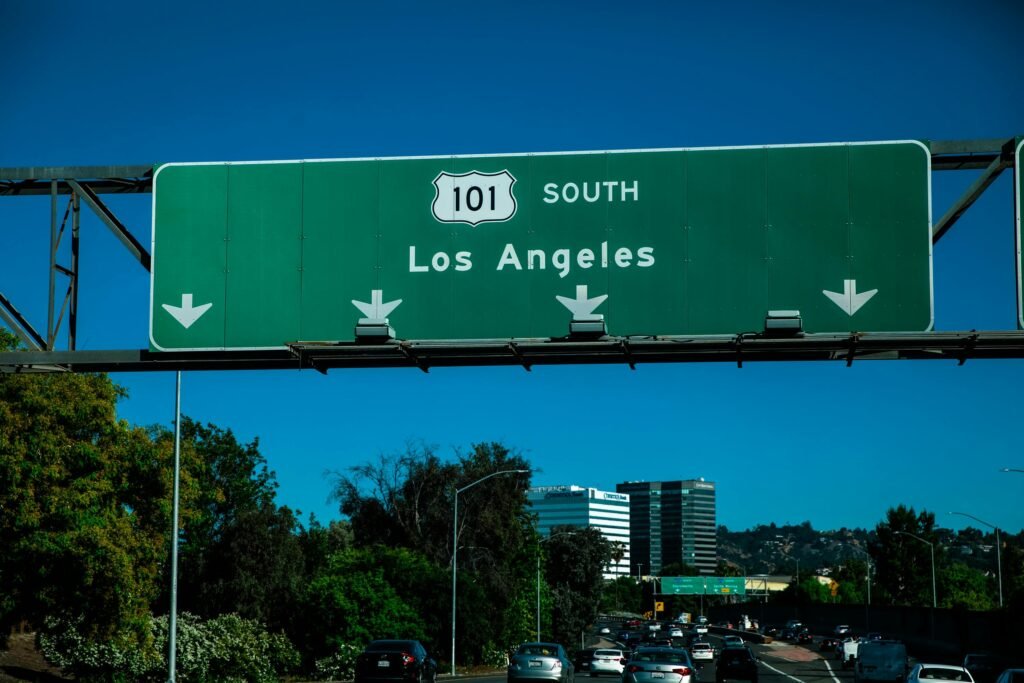
What shocks most people arriving here for the first time? The sheer distance between spots. Maps give the impression things are near each other -truth is, travel times often stretch way beyond guesses. That delay? Blame traffic, which really piles on during busy times. Even tiny trips might drag out when roads fill up. Start with just one neighborhood instead of racing between far-off spots. Pick a zone – say, Hollywood or Santa Monica – and stick to it for the day. Moving less means seeing more, without long rides cutting into your hours. Jumping across towneats up time that could go toward actually looking around. Slow down. Dig into what one place offers before thinking about the next.
2. Overusing Public Transit
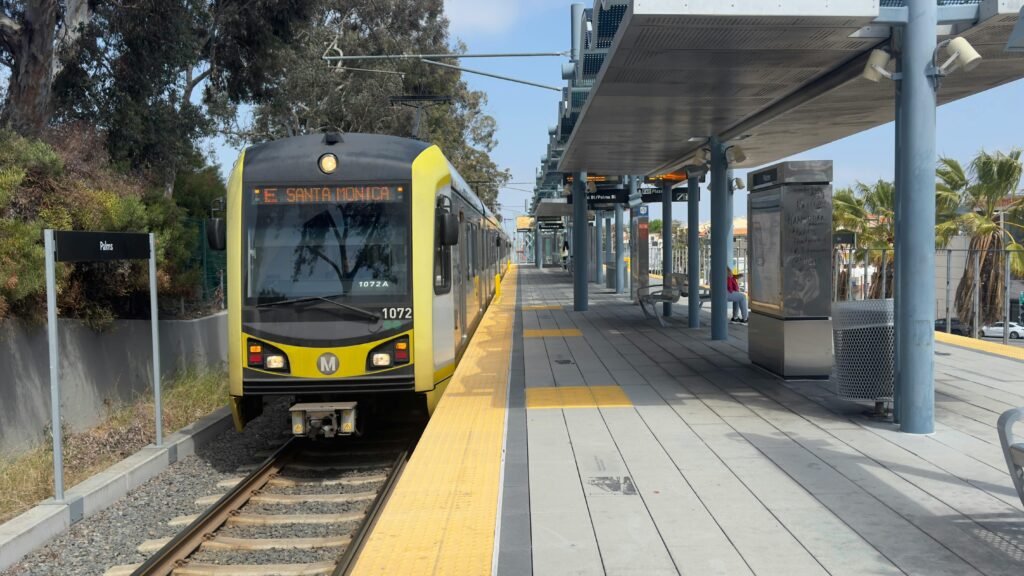
Getting around L.A. by bus or train? It happens, sure – yet nothing like New York’s tight web of transit lines. Some neighborhoods sit apart, linked poorly if at all. Reaching spots tourists often visit might mean long waits, transfers, slow crawling through traffic instead of quick hops. Travelers often find buses and trains too slow, leaving little room to change plans. Instead of waiting around, many choose rental cars or tap phones for rides through Uber or Lyft. Moving freely becomes possible when schedules stop calling the shots.
3. Staying in the Wrong Place
Picking a poor spot to sleep might wreck everything you planned. Some visitors look to cut expenses with low-priced rooms distant from key sites, yet this choice frequently brings extra spending on transit along with lost hours.
Picking a place to stay? Match it to your plans. Sightseeing tops your list? Close to Hollywood or West Hollywood fits best. Craving sand and waves? Then Santa Monica or Venice lines up right. Need city energy around you? Downtown Los Angeles does that just fine.
Close to where you want to go means less time moving around, which leaves more room for ease. Getting there quicker? That simply feels better when everything is nearby.
4. Trying to See Everything in One Trip
Spending just a few days here? You won’t see much. Too often, people pack their schedules tight -rushing from place to place without pause. Missing pieces happens when haste takes over.
Most times, people move fast between spots but miss what’s around them. Slowing down works well – pick just a few places every day instead. That helps you feel the city, not only see boxes marked done.
5. Beach Areas Overlooked
Out by the water, many travellers stick too close to downtown without seeing what the shore has to offer -spots that often feel more alive. Santa Monica rolls out wide sidewalks beside the waves, giving space to breathe. Venice Beach hums with its own rhythm, quieter than traffic jams near skyscrapers. Instead of concrete grids, you find palm lines against sunsets, footpaths instead of freeways. These corners slow things down naturally, far from rush hour noise.
A stretch of sand under your feet shifts how you see LA, brings calm into the rush. One full day near the water changes the rhythm, offers contrast to city motion.
6. Los Angeles Isn’t Built for Walking
Most people think strolling around Los Angeles is like wandering through Paris or Manhattan. Yet getting around actually depends heavily on where you are. Crossing from one big spot to another? That rarely makes sense when done by foot. The city spreads out too far for that kind of effort. Walking into a district after riding there feels smoother than rushing everywhere by vehicle. Getting around town works best when wheels take you close, then legs do the rest.
7. Expecting Too Much From Hollywood Boulevard
Out here, Hollywood Boulevard stands loud among LA’s landmarks – yet somehow falls short for plenty who show up. Sure, the Walk of Fame draws eyes, though what sticks is the press of bodies, the rows of shops selling nearly the same thing. First-time visitors blink, then step back, caught off guard by just how packed and sold-out it seems. Pausing just briefly makes sense here – otherwise, richer moments await elsewhere across town. A longer stay? Not really worth it when so many better options pull you forward.
8. Skipping Griffith Observatory
Not every famous spot lives up to the hype, yet Griffith Observatory manages to be different somehow. From there, you see downtown LA stretching out – sharp and wide -and catch sight of the Hollywood Sign without anything blocking it. Free admission adds to its charm. As the sun dips below the horizon, the scenery gains depth -best seen in those quiet evening hours.
9. Spending Too Much on Food
Most folks think eating out in Los Angeles means high prices, yet they overlook cheaper options hiding in plain sight. Sticking to famous eateries near landmarks often leads to bigger bills than needed. Truth is, standout meals pop up more in neighborhood joints than glossy downtown spots. Hidden gems? They’re usually where locals line up, not where guidebooks point. Street carts serve flavors you won’t find on polished menus. A plate from a truck might beat any five-star dish nearby. Tacos from corner stands cost less, yet they tend to taste closer to how locals really eat. A city reveals its flavors best through these bites.
10. Ignoring Traffic Patterns
L.A.’s traffic refuses to stay in the background. This reality reshapes routines more than most expect. Tourists often miscalculate drive times, particularly when rush hour takes hold. Most days start easier if you shape them by when cars move slowest. Try going out right after sunrise or near bedtime for quieter roads instead of lunchtime crowds plus those busy stretches before and after work.
Travel Tips for Los Angeles
Most visitors miss what makes L.A. click until they see it block by block. Staying near where you plan to spend time shifts everything, while moving between zones shapes your rhythm. Picking neighborhoods ahead of time helps, yet leaving room todrift often brings better moments. Early mornings give a quiet start. Skip extra trips when possible. Choose just one spot at a time. This way, the city feels calm instead of loud. Fewer choices make room for real moments.
Final Thoughts
Starting out in Los Angeles might seem confusing, yet knowing how things spread out helps clear up the mess. Once you catch on to the rhythm, getting around fits together better. A lot of hassle visitors run into happens when they expect it to act like a tight little town. Most errors skipped means less hassle, quicker days, more calm. Rather than sprinting block after block, you might notice how LA hums in its own strange way.
Planning more trips? You might also like: