
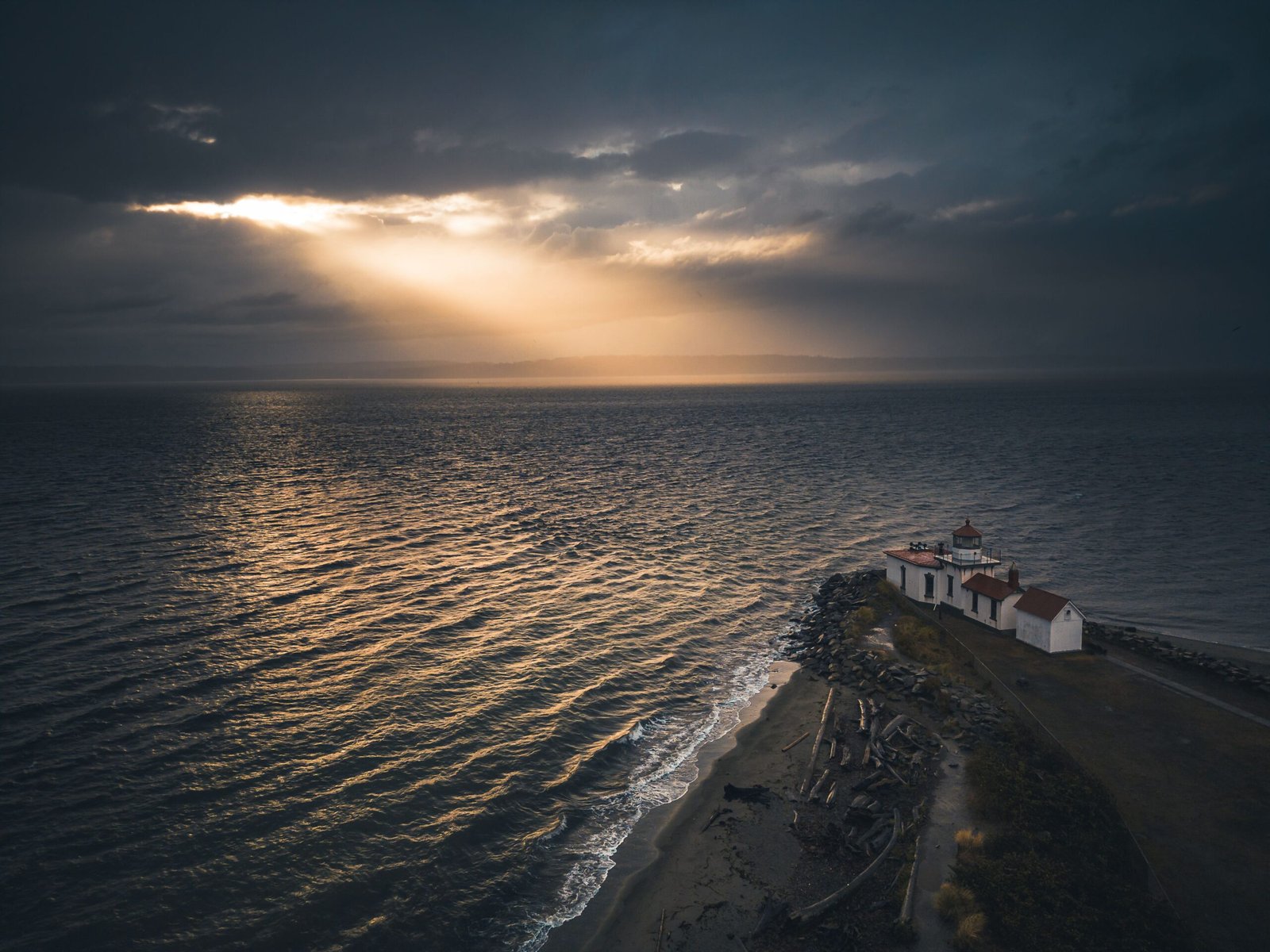
Seattle is quite famous for its skyline and waterfront plus those landmarks everyone knows but Discovery Park provides an experience that is totally different. Instead of dealing with busy streets you will find quiet forests and coastal bluffs and miles of walking trails that seem to go on forever. Spanning over 530 acres Discovery Park is actually the biggest public park found in Seattle. It is located right on Magnolia Bluff looking out over Puget Sound and the Olympic Mountains. Even though it is just a few minutes from downtown the park feels wonderfully separate from the rush of city life!
The first thing that truly hits you is the silence. All that traffic noise just vanishes under the sound of birds singing and evergreens rustling and waves hitting the shore. Every single trail feels like it is inviting you to slow down and see the small details that usually get missed elsewhere. Visiting once is rarely enough. The park shifts throughout the day since sunlight filters through the trees and tides change the look of the beaches. Walks in the morning feel calm and refreshing whereas the evenings give visitors glowing sunsets across Puget Sound.
Almost every kind of traveler finds something they like at Discovery Park. Hikers love the variety of trails and photographers are always chasing the shifting light while birdwatchers look for wildlife on the shoreline and families enjoy having such wide open spaces. Whether you are staying in Seattle for a few days or maybe just a weekend Discovery Park belongs on your itinerary. It lets you see the natural beauty of the Pacific Northwest without even leaving the city limits.
This guide goes over the top trails in the park and viewpoints and animals and useful tips and basically everything you need to know before going. If you are looking at more of Seattle then Discovery Park goes great with the Seattle Waterfront Guide and the Kerry Park Guide.
Why Discovery Park Is Worth Visiting
Discovery Park gives an experience that very few urban parks can actually match. Instead of just manicured gardens you will find forests and beaches and meadows and cliffs and amazing water views all inside one protected area. Walking around the park never feels boring or repetitive. Thick evergreen forests suddenly open up into grassy fields before showing dramatic views over Puget Sound. One of my own favorite parts happens near the coastal bluffs. When looking west you can see ferries crossing the water quietly while the Olympic Mountains stand on the horizon. On afternoons when it is clear the scene feels almost untouched even though downtown Seattle is only a couple miles away!
The park also treats visitors well who prefer traveling slowly. Instead of racing from one attraction to another Discovery Park makes you want to stop and watch the tides change and just enjoy the landscape. Animals add another level to every trip. Bald eagles are often circling high above and great blue herons walk the shoreline and harbor seals pop up offshore sometimes. In seasons when animals migrate lucky guests might even see whales moving through Puget Sound.
Each season brings a new vibe. Spring makes the meadows green again. Summer gives you long days and clear views of mountains. Autumn colors make the forest trails bright while winter storms make the coast look dramatic. Discovery Park does not need famous monuments or tickets to get people in. Its main draw is just nature being at its absolute best!
A Short History of Discovery Park
Long before Seattle grew large Indigenous groups lived and met along these coasts. Fishing and hunting and old seasonal traditions were supported for generations by the rich resources here. Back in the late nineteenth century a lot of the land turned into Fort Lawton which served as a big US Army base. Army buildings stayed there for many years before a huge part of the land went to the City of Seattle.
Discovery Park opened officially in the early 1970s with a basic goal. They wanted to save the landscape while letting the public get into one of the prettiest natural spots in Seattle. Now the forests have taken back most of what used to be military land. While walking through the park it is hard to picture its old purpose because nature owns almost every view now.
Signs placed around the park tell stories of the military past and Indigenous roots which gives more meaning to the visit.
Best Time to Visit Discovery Park
Discovery Park is great regardless of when you go. Every season has its own thing.
Morning
Mornings are when I prefer to go.
Trails feel more peaceful and the animals are more active and cooler weather makes the hiking easier.
Also that soft morning light is perfect for taking photos.
Afternoon
Afternoons offer brighter skies and better views across Puget Sound.
You should expect more people especially on weekends or summer breaks.
Still the park is big enough that you can easily get away from the crowds.
Sunset
Sunset changes Discovery Park entirely!
Golden light hits the bluffs before it slips behind the Olympic Mountains.
Everything gets quieter as the light goes away making it one of the most peaceful ways to spend an evening in Seattle.
Many photographers wait until the last bit of light is gone because no two sunsets are exactly the same.
Top Hiking Spots at Discovery Park
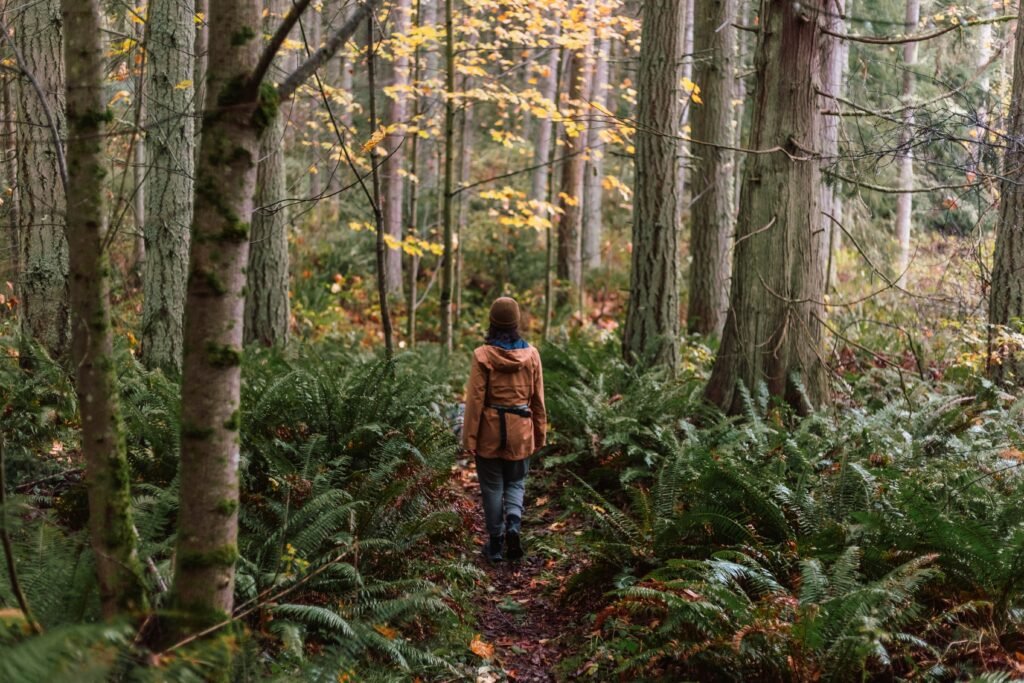
There are more than 11 miles of walking trails available at Discovery Park which lets you see various sides of the natural beauty found in Seattle. The Loop Trail is probably the most liked route in the park. It covers roughly 2.8 miles and goes right through open meadows and forests plus scenic overlooks. For those visiting for the first time it is the best pick since it links together most of the big highlights!
Then there is the Hidden Valley Trail which feels much more quiet and secluded. Tall evergreens wrap around the path and create a peaceful feeling for the whole walk. This is a great choice if you are looking for fewer crowds. Other favorites lead you down toward the shoreline. These paths descend slowly from the bluffs until you hit the beach. Glimpses of Puget Sound pop up between the trees along the way making the walk itself just as rewarding as getting to the end.
Most of these routes are marked well enough to follow easily. But you should wear comfortable walking shoes because certain parts get pretty uneven once it rains.
Checking out West Point Lighthouse
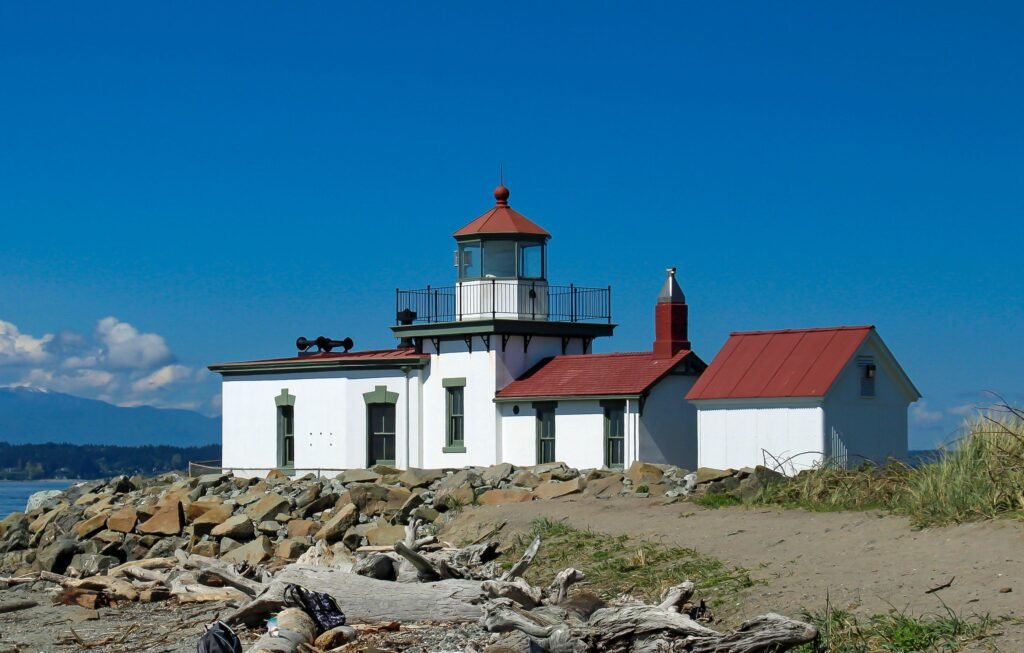
A trip to Discovery Park doesn’t feel finished without stopping at West Point Lighthouse. Since 1881 this lighthouse has stood by the shore and it stays one of the oldest landmarks Seattle has. The white paint looks beautiful against the blue water of Puget Sound and the sandy beach.
Getting there takes a moderate walk but the view makes every single step worth it! Paths through the forest eventually open up to a wide beach where the waves just gently touch the sand. Being next to the lighthouse gives you one of the most memorable views in the entire park. You can watch ferries crossing the Sound while the Olympic Mountains tower in the distance.
When the tide is low more of the rocky shore shows up which is definitely one of the best times to wander the beach. The calm atmosphere makes you want to slow down and just soak in the landscape before going home.
Nature and Wildlife

If you like watching animals Discovery Park is one of the top spots in Seattle. Bald eagles fly high above the coastal bluffs quite often especially in the early morning. Also great blue herons are seen standing still by the water waiting for fish. Forests are full of smaller birds all year round which makes the place a magnet for birdwatchers. New species show up during the spring and autumn migrations too.
Sometimes harbor seals pop up offshore to rest between hunting. And if you are lucky during migration you might even see whales swimming through Puget Sound! Because the park has so many different habitats like wetlands and beaches and meadows it supports a huge variety of animals. Keeping a respectful distance is important though to protect the animals and the environment.
Some Advice for Photography
Photographers find rewards here regardless of the season. Light in the morning creates these soft colors in the meadows and woods. Plus it is the best time to find wildlife before the trails get crowded. Wide angle shots from the coastal bluffs are excellent for capturing Puget Sound. When the sky is really clear the Olympic Mountains make for a stunning background.
The West Point Lighthouse is obviously one of the most snapped photos. Trying to frame it with the coastline allows for balanced shots from a few different angles. As the sun sets the light turns warmer over the water. Those reflections and shifting skies usually lead to the most dramatic pictures of the day.
Instead of racing from one spot to another try spending time watching how the light changes. Even the same spot looks totally different as the tides and clouds move around.
Is Discovery Park Actually Worth a Visit?
Without a doubt! Discovery Park shows a version of Seattle that a lot of tourists just miss. It puts forests and beaches and wildlife and hiking all inside one protected area. Very few parks in a city offer this kind of variety so close to downtown.
Whether you want a quiet stroll or some great photos or just some fresh air Discovery Park gives an experience that feels real and unhurried. Lots of people show up thinking it will just be a nice park. They end up leaving and remembering it as one of the most rewarding outdoor spots in the whole city!
Tips for visiting Discovery Park
Discovery Park has a peaceful sort of vibe mostly because folks actually respect the natural surroundings. But then again a tiny bit of planning ahead of time will let you enjoy the place even more! Make sure you have some comfortable walking shoes on before you get there. A lot of the trails consist of gravel and have some gentle slopes. Also bringing along a reusable water bottle is a total must especially when weather gets warm since drinking fountains are found rarely on the longer paths.
Regardless of the season a light jacket is generally a good idea. Coastal winds can feel far colder than what you find in downtown Seattle. Further downloading an offline map before you arrive is a smart move. Mobile signals are usually fine but having a trail map simply gives you more confidence!
Try to stay on the marked paths whenever possible. This is the way we protect the local wildlife and habitats that are fragile. And if you like animal watching carrying a camera or maybe some binoculars is helpful. Marine life and birds tend to appear when you least expect it! Of course leaving no trace behind is essential because keeping the park clean is the only way to preserve its beauty for everyone else.
Parking and Accessibility
Various parking spots are located near the main entrance of Discovery Park. Parking doesnt cost anything although the lots fill up incredibly fast on sunny weekends. For this reason arriving before 10 am is usually the simplest way to find a spot.
Most of the main trails are marked quite clearly by directional signs. But be aware that certain paths have steep sections when you head down toward the beach. To get to the West Point Lighthouse you need to be okay with moderate walking and a climb back up that is gradual. People with limited mobility might find the meadow trails and upper viewpoints better for exploring. Restrooms are available at specific parking areas and near the Visitor Center.
Suggested Half-Day Itinerary
Spending a half day at Discovery Park is just perfect for a relaxed kind of adventure. Start your morning at the Visitor Center where you can pick up a trail map before beginning your trek. Then following the Loop Trail is a good bet since it takes you through forests and meadows that are wide open.
Keep going until you reach West Point Lighthouse and spend some time wandering the shoreline. Stop at the coastal bluffs for a minute before heading back by using a different path. Once you leave the park you could possibly go to the Seattle Waterfront for lunch or maybe hit Kerry Park before sunset. This plan lets you combine nature and photography with city views without ever feeling rushed!
Frequently Asked Questions
Yes! Entry to Discovery Park is totally free all year round.
Usually two to four hours is plenty for a visit that is relaxed. Though hikers and photographers might want to hang around longer.
Definitely. Kids love exploring the shore and spotting birds while parents enjoy the beaches and meadows that are open.
Swimming is possible but the water stays freezing for most of the year! Most people just stick to walking and taking pictures.
The Loop Trail is likely the best introduction. It connects the forests and meadows with great vistas and the path leading to West Point Lighthouse.
Final thoughts
Discovery Park serves as a reminder that the best parts of Seattle arent always trapped in the downtown core. The combination of beaches and forests along with those massive Puget Sound views makes for an experience you wont soon forget. Every single trail reveals something new whether it is a soaring eagle or just a quiet meadow.
Instead of rushing through the park try slowing down and soaking in the scenery. In this place curiosity is rewarded more than speed! Taking a little extra time is often how the most memorable moments occur. Whether you hike for several hours or just take a quick stroll it is a refreshing escape from the noise of city streets. It is honestly one of those spots that makes you want to return every single season.
If you are still looking around Seattle check out our Seattle Travel Guide for the full picture. You should also look at the guides for the Seattle Waterfront and Kerry Park plus the Space Needle and Chihuly Garden and Glass and the Museum of Pop Culture to see the city from every single angle!