
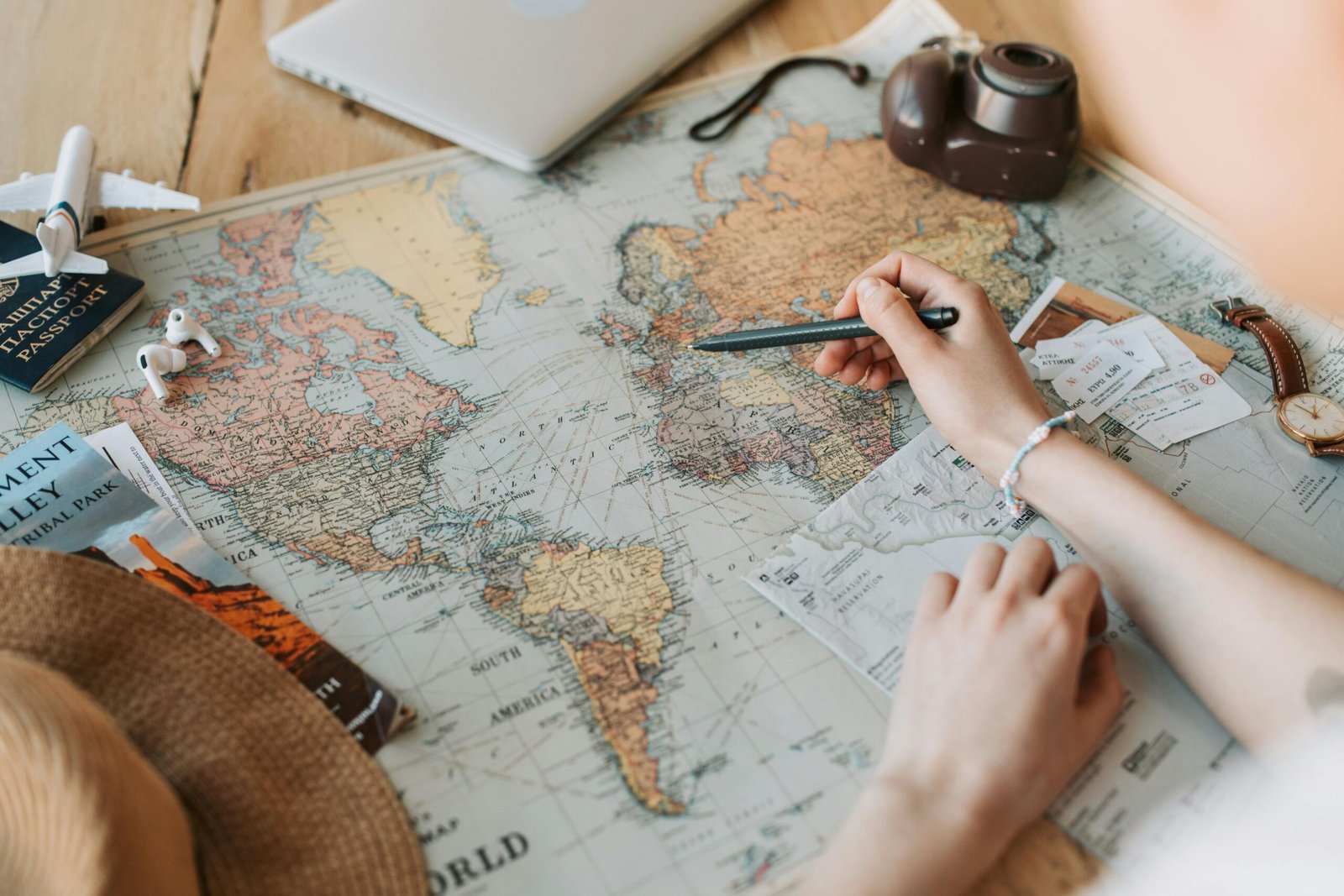
Where trails bend past known routes, journeys shed their usual rhythm. Suddenly, it feels edged with weight -tangible, alive. Less about getting somewhere, more like entering terrain that insists you notice. Movement shifts when the ground begins to speak. Out there, adventure means doing things that push your limits -not just visiting places people take pictures of. Hiking high trails, swimming deep seas, wandering thick forests -that kind of thing shapes the trip. Routes rarely stay set in stone. Each step changes what comes next. What matters grows while moving.
On TripGuide247, the goal is simple: skip the headaches, save money, and move smarter. If you’re planning a bigger trip, start with our USA travel guide and learn how to travel on a budget without overspending.
Adventure Travel Defined?
Out there, movement meets landscape, then folds in local ways of living. Not just looking around -it’s stepping right into the moment. You touch a place rather than just look at it.
This can include:
- Hiking through rugged terrain
- Climbing mountains or rock formations
- Scuba diving or snorkeling
- Exploring jungles or wildlife regions
Not like regular trips, adventure travel comes with surprises. This unpredictability is its real strength. Instead of simply arriving somewhere, you live it.
Quick Picks: Best Adventure Experiences (Fast Decision Guide)
If you don’t want to overthink things, start here:
- Best for Beginners: Guided trekking in the Himalayas
- Best for Adrenaline: Bungee jumping and skydiving in New Zealand
- Best for Water Adventures: Scuba diving in the Great Barrier Reef
- Best Budget Adventure: National park exploration across the United States
These are proven starting points where most travelers get the best experience without overcomplicating planning.
Choosing an Adventure
Picking an unsuitable quest trips up most new explorers right away. Wrong fit means rough start.This time around, try thinking about it differently Beginner? Try step-by-step sessions first. They lower danger while growing your trust. Rushing into intense stuff too fast usually ends in exhaustion or accidents. Starting out a bit further along? Try stepping into longer hikes that stretch past one day, or wander on your own through less-traveled paths. Maybe it’s time to test what you know by going deeper without a guide. Each step could bring something unfamiliar, yet familiar enough to keep moving.
When skill runs deep, far corners of the map start pulling harder. Routes less mapped fit better when reading terrain matters more than signs. Long miles feel right only after practice piles up. Distance grows friendlier once stamina matches ambition. Enjoyment comes not from rushing ahead, but from moving at a pace that fits how skilled you are right now.
If your trip includes major cities, choosing the right stay matters just as much. For example, if you’re heading west, check best hotels in Los Angeles for smart budget stays.
Adventure Travel Spots With Practical Stays
1. The Himalayas Trekking and High Altitude Experience
Himalayas High above the clouds, the Himalayas carve paths that test every step you take. Not just walking -each trail demands breath, balance, thought. Some start slow, others rise sharp into thin air. Every route here reshapes what your body believes it can do. Mind and muscle meet challenge after challenge.
Stay Strategy: Hang on to your booking in the smaller trailhead villages till you begin walking. Those spots tend to have lower prices along with simpler ways to find drivers or helpers. Rushing it at the final hour often means paying extra.
2. New Zealand Extreme Adventure Capital
New Zealand Fear doesn’t stand a chance here. Whether it’s leaping off bridges or walking on frozen rivers, each corner of New Zealand pushes movement to the edge.
Stay Strategy: Close to where things happen is better. Cutting down on moving around each day means less expense, also fewer minutes lost getting places. Doing several things fast? Then saving those hours matters most.
3. Great Barrier Reef explored beneath the waves
Great Barrier Reef Out here, underwater adventures don’t get much better. With vibrant sea creatures below, colorful reefs stretching wide, plus clear views that go on forever – diving suits newcomers just as well as those who’ve logged years beneath the waves.
Stay Strategy: Pick places near the coast where diving deals come already packed in. When you sign up for dives on their own later, the price usually climbs.
4. United States National Parks Budget Friendly Adventure
United States Deserts stretch into mountains across America, each corner serving up adventures without demanding big money. Not every thrill needs deep pockets -some cost next to nothing. Where terrain shifts fast, options open wider than expected. Money talks less here; effort often matters more. Different paths suit different wallets, yet all lead somewhere wild.
Stay Strategy: Just beyond park borders, lodging cuts expenses without adding travel time. One straightforward move that trims the budget fast.
Smart Booking Strategy Most People Get This Wrong
Most people waste cash right here. Instead of booking randomly:
- Compare multiple hotel options
- Start with options that let you change plans easily
- Beside busy spots, living there lowers travel spending. Near hubs, movement becomes cheaper. Close to centers, getting around takes less money. Living next to action cuts down on transit fees
Just doing this one thing might ease your wallet while saving time too. It really adds up when you think about how much simpler things get.
Essential Gear & Preparation
Most of all, getting ready matters when it comes to adventure travel.
Focus on:
- High-quality footwear suitable for terrain
- Weather-appropriate clothing
- Activity-specific gear (trekking poles, diving equipment, etc.)
- Basic medical kit and emergency supplies
Skipping key steps won’t only make things harder – it might stop you halfway through.
Safety Tips for Adventure Travel
Just because you seek adventure does not imply recklessness.
Stay safe by:
- Obeying the rules people around here follow to stay safe
- Where rules demand it, trained leaders take charge
- Monitoring weather conditions
- Carrying proper insurance
- Understanding your limits
When readiness increases, so does real flexibility on the road. Starting well ahead means choices open up later. With everything handled early, movement feels lighter. Because details settle first, space grows for surprises. Once plans firm up, wandering becomes easier. Holding things together at the start lets go of tension down the line.
Common mistakes to avoid
Some folks who’ve been around still slip up in similar ways
- Choosing overly difficult adventures too early
- Ignoring weather conditions
- Packing the wrong gear
- Skipping travel insurance
- Not researching the destination properly
Skipping these problems helps your journey go easier, plus it feels better too.
FAQ Section
Is adventure travel suitable for beginners?
Yes. Start with guided or beginner-friendly experiences and build from there.
What is the best time for adventure travel?
It depends on the destination. Mountain regions are best in warmer months, while tropical regions vary based on rainfall.
Do I need travel insurance?
Yes. Especially for activities like trekking, diving, or climbing.
How can I reduce costs on adventure trips?
Book early, travel during off-peak seasons, and choose stays close to activity areas.
Final Thoughts
Comfort grows when tested, not avoided. What feels unfamiliar at first often becomes home. Deep breaths at the summit, salt spray on your face below -each journey shifts something inside. Yet what turns chaos into clarity? Thoughtful choices long before departure shape everything after.
Start smart – weigh where you’ll rest before settling in. Early picks mean fewer surprises later